


AI-powered search and personalisation are becoming increasingly important for ecommerce brands.
Today's consumers expect lightning-fast, relevant results, intuitive filtering and product recommendations that actually make sense. The ecommerce brands succeeding at integrating with AI are not just doing it to look cool. They're utilising a great tool to reduce ecommerce friction points, guide decision-making and help customers to find the right products faster. We've gathered 10 ecommerce websites that are using AI-powered search and personalisation in a way that genuinely improves the customer experience and drives conversion. Without further ado, let's dive in!
1. Amazon
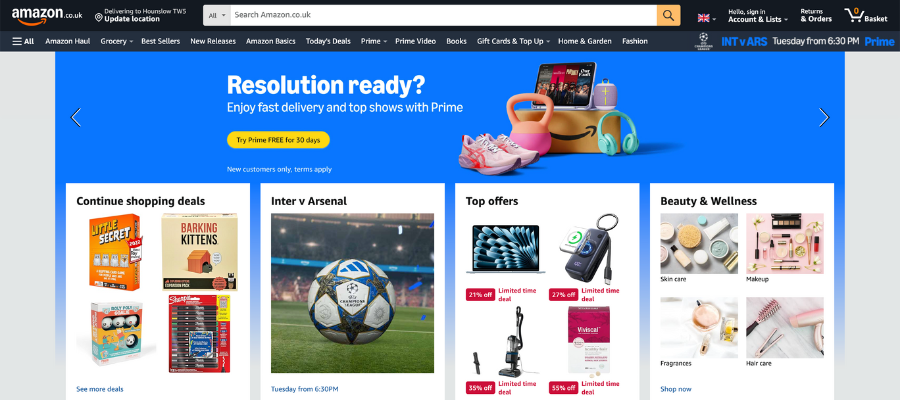
Amazon sets the benchmark for AI-driven ecommerce experiences with machine learning and AI functionalities embedded deep within their overall strategy for over 25 years. Almost every part of the customer journey is shaped by data. From search results and recommendations to category ranking and merchandising. Search results adapt based on user behaviour, intent and purchase history, helping customers to find relevant products quickly even when search queries are vague or incomplete. Not only that, AI also powers operations for sellers, logistics, distribution and more.
Standout features:
- Predictive and autocomplete search
- Highly personalised product recommendations
- Dynamic ranking based on behaviour and intent
2. ASOS

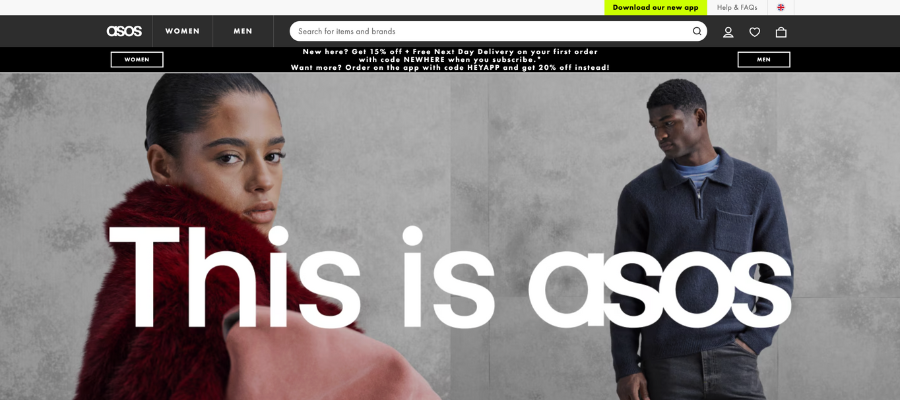
ASOS is a leading British fashion ecommerce brand that utilises AI to help customers navigate an extensive product catalogue with tons of SKUs. Its search and personalisation features are designed to reduce choice overload and decision fatigue by guiding shoppers towards relevant styles. AI-powered features such as visual search, personalised edits and adaptive recommendations all work together to create a more intuitive and relevant browsing experience that keeps ASOS shoppers coming back for more.
Standout features:
- Visual search using images
- Personalised product edits
- Style-based recommendations
3. IKEA
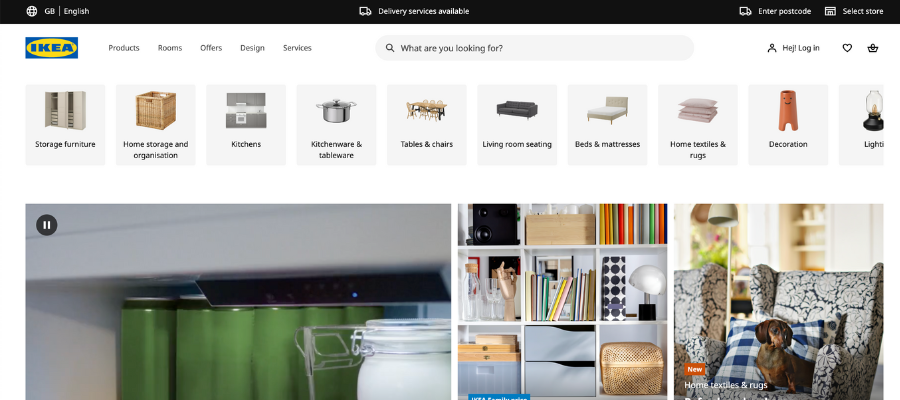
IKEA uses AI-powered search and recommendations to help customers plan and visualise purchases, a feature that is particularly helpful for their larger and more complex product configurations. AI-powered recommendations support cross-selling and inspiration rather than hard selling, with tailored product suggestions based on a user's budget, style and space. Additional features such as visual search and a generative AI shopping assistant ensure the customer journey is seamless and without friction points.
Standout features:
- Intent-aware search results
- Product recommendations based on room and usage
- Visual and planning-based tools
4. Nike

Nike utilises AI-powered search and personalisation tools to create highly individualised shopping experiences that feel in-keeping with all of Nike's touchpoints. Rather than treating ecommerce as a standalone channel, Nike links search behaviour, browsing history and activity across all of its apps to tailor what customers see and when they see it, delivering a more relevant experience while strengthening long-term engagement with the brand.
Standout features:
- Personalised product feeds
- Behaviour-driven recommendations
- App and ecommerce personalisation working together

5. H&M
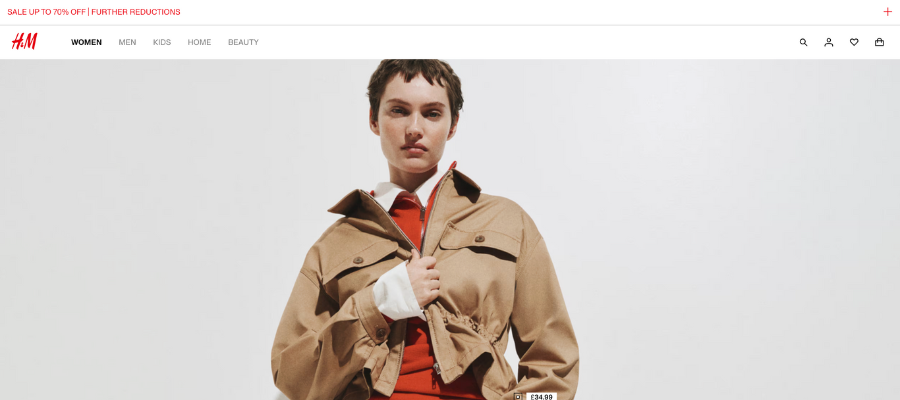
H&M utilises AI capabilities to balance inspiration with speed. With a fast-moving catalogue and trend-led collections, H&M focuses on helping customers discover relevant products quickly without adding unnecessary complexity. Search results, category pages and recommendations adapt based on browsing behaviour, purchase history and current trends, allowing H&M to highlight products that feel timely and relevant to specific customers.
Standout features:
- Behaviour-driven product recommendations
- Trend- and season-aware search results
- Personalised category sorting and product discovery
6. Decathlon
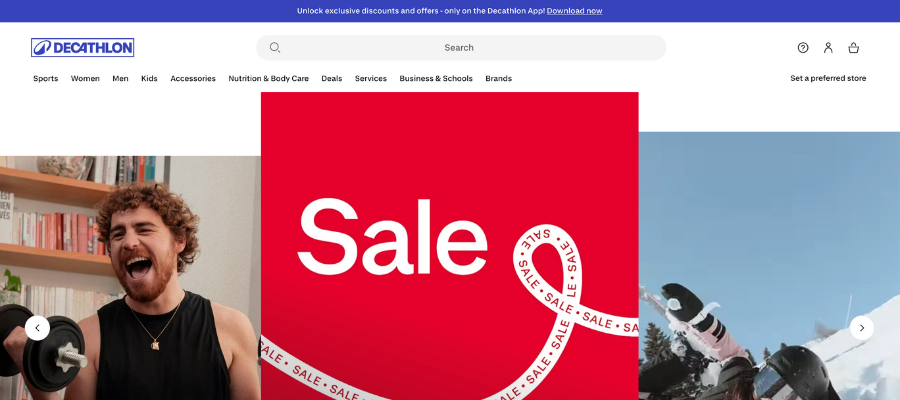
Decathlon's AI-powered features aim to support customers across a wide range of sports, skill levels and use cases. Rather than treating all customers the same, Decathlon adapts search results and recommendations based on intent and experience, making it easier for beginners to find accessible products, while more experienced customers are shown advanced or specialised options. By reducing confusion and helping customers find the right product for their needs, Decathlon increases confidence and long-term customer loyalty.
Standout features:
- Sport- and skill-level-aware search results
- Personalised recommendations based on usage and intent
- Cross-category suggestions for complementary products
7. Sephora
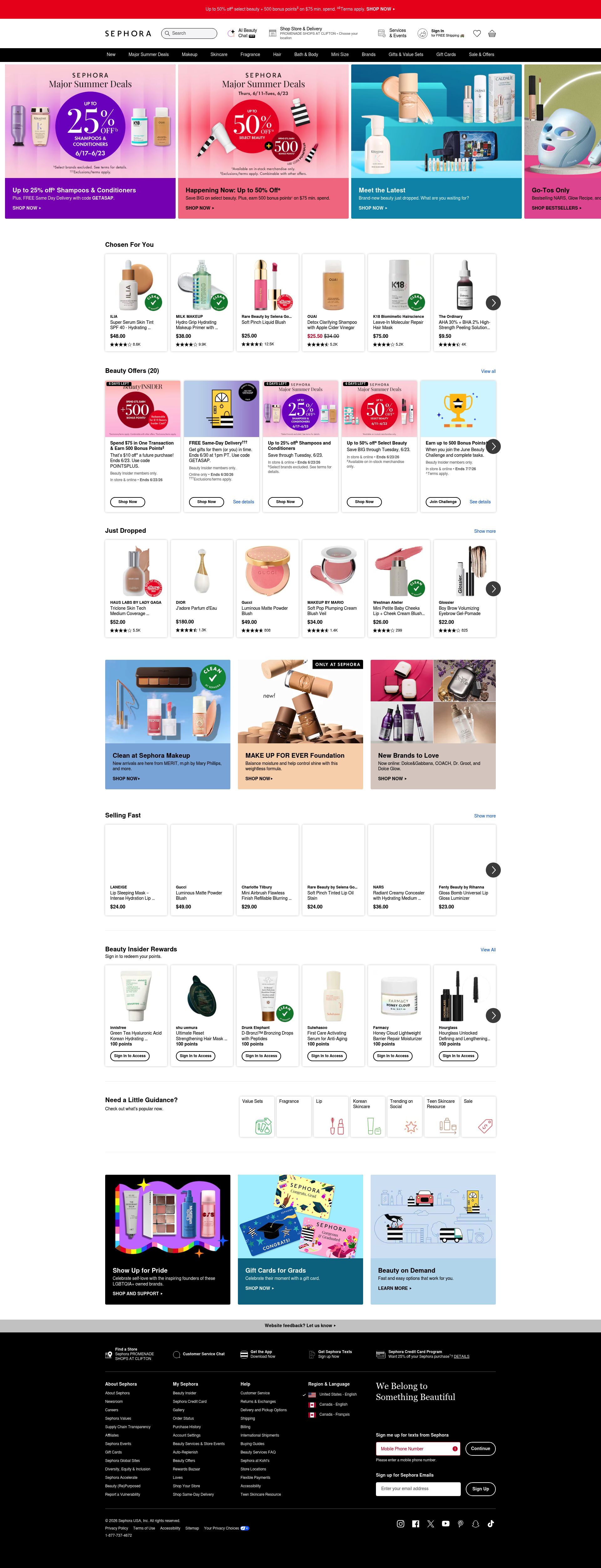
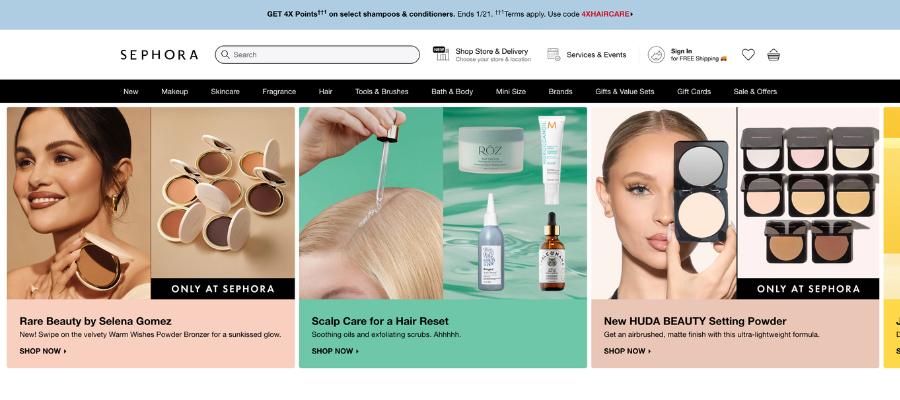
Sephora utilises AI-powered features to replicate the experience of in-store advice online. With a vast product range and highly personal purchasing decisions, Sephora focuses on guiding customers to relevant products rather than overwhelming them with choice. Search and recommendations are shaped by customer preferences, past purchases and interactive quiz responses, helping shoppers narrow down options and feel confident in their choices. This consultative approach not only improves conversion but also builds trust, which is key to driving repeat purchases in beauty ecommerce.
Standout features:
- Personalised product recommendations
- Preference-based filtering and search results
- AI-supported quizzes and guided discovery tools
8. Boohoo
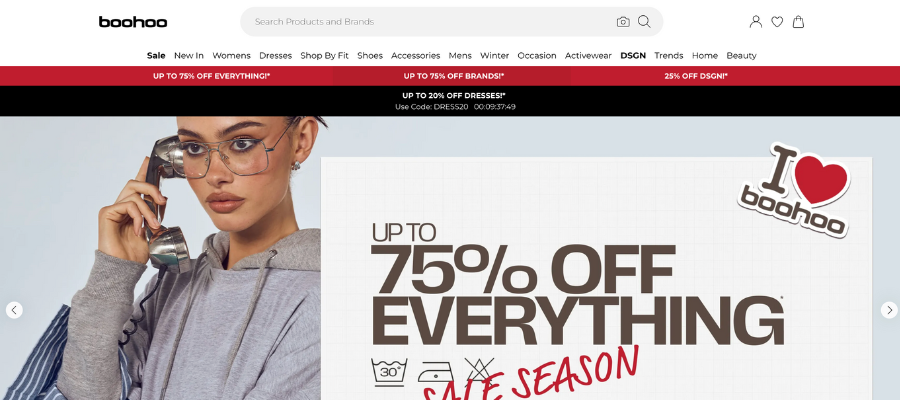
Boohoo uses AI-powered tools to support rapid, high-volume browsing in a fast-paced, trend-driven environment. With frequent drops and a huge catalogue of products, the focus is on helping customers quickly find what is relevant right now. Search results and recommendations adapt in real time based on browsing behaviour, popularity and overarching trends, making it easier for customers to discover in-demand products without scrolling endlessly.
Standout features:
- Trend-led search prioritisation
- Real-time product recommendations
- Mobile-first personalised browsing experience
9. Wayfair
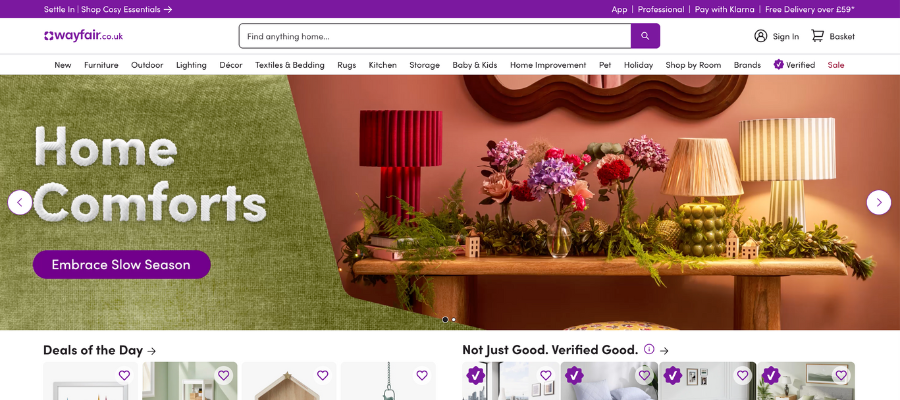
As a homeware ecommerce brand, Wayfair exists in a catalogue-heavy space where customers often browse without a clear idea of what they want. AI-powered search and personalisation tools are therefore used to support product discovery, inspiration and decision-making rather than direct product matching. Search results, filters and recommendations adapt based on style preferences, browsing behaviour and visual similarity, helping customers narrow down options and feel guided even when their initial search intent is vague.
Standout features:
- Visual and style-based recommendations
- AI-driven filtering and sorting
- Personalised product discovery for large catalogues
10. Gucci
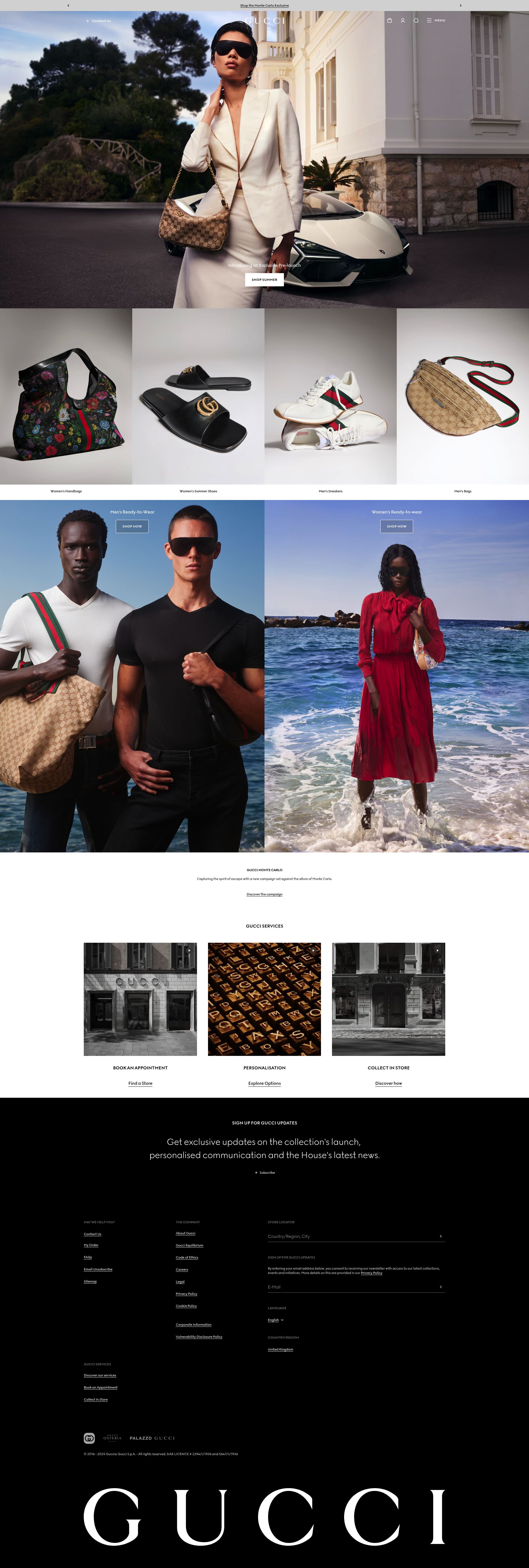
As a premium fashion brand, Gucci uses AI-powered personalisation to deliver a luxury ecommerce experience that feels curated rather than automated. Instead of pushing aggressive recommendations, Gucci focuses on relevance, storytelling and subtle guidance. Search, navigation and product suggestions are shaped by browsing behaviour and interest signals, helping customers discover collections, categories and complementary products in a way that aligns with the brand's premium positioning. The result is an experience that feels considered and intentional, encouraging deeper engagement and repeat visits.
Standout features:
- Curated product recommendations
- Behaviour-informed search and navigation
- Personalisation aligned with luxury brand storytelling

The ecommerce brands successfully utilising AI-powered tools are not relying on the technology to replace human decision-making. Instead, they are using it to remove friction, reduce choice overload and guide customers towards the right products faster. Making product search feel intuitive and personalised rather than intrusive encourages customers to convert and come back for more.
If you want help implementing smarter search and personalisation across your ecommerce site, we can help. Don't hesitate to get in touch!


