


The strongest ecommerce brands use content as part of the holistic shopping experience itself.
Instead of pushing customers out to blogs or guides, they naturally embed education, reassurance and storytelling directly into category pages, product pages and navigation elements. When executed well, on-site content helps customers to discover products, builds their confidence and helps them to make better buying decisions, without disrupting conversion. We've gathered 10 ecommerce brands that are getting on-site content right and analysed what makes their approach so effective. Without further ado, let's dive in!
1. Gymshark

Gymshark stands out as it seamlessly integrates content throughout the ecommerce shopping journey to help customers choose the right product for their goals. Product pages focus heavily on fit, movement and use cases rather than generic descriptions, and visual imagery is readily utilised to demonstrate how products behave during training and how they fit various body types. This approach works particularly well for a visually driven, confidence-led audience as customers are given the information they need to feel comfortable with their choice, ultimately reducing hesitation and returns while encouraging faster purchasing decisions and increasing conversion rates.
2. Aesop
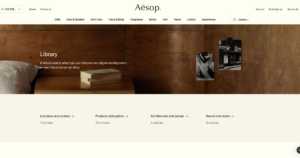
Aesop's on-site content experience is minimal yet purposeful, reflecting the brand's refined identity while adding real value to the buying process. What elevates Aesop even further is the Aesop Library. A curated content hub that offers in-depth articles on topics ranging from ritual, wellbeing, scent exploration and thoughtful living. The Library blends editorial storytelling with subtle product relevance, helping customers engage with the brand's philosophy without feeling sold to. This approach positions Aesop as a trusted guide, not just a seller, which deepens emotional connection and encourages longer visits, repeat exploration and ultimately greater brand affinity.
3. YETI

YETI's content experience is centred around use cases and lifestyle rather than relying solely on product specifications. Instead of simply listing features, products are positioned within real-world scenarios, helping customers understand why they exist, how they perform and who they are designed for. Through high-quality photography and clear storytelling, YETI demonstrates exactly how its products fit into customers' everyday routines and outdoor experiences, strengthening confidence, trust and long-term brand loyalty.
4. Huel
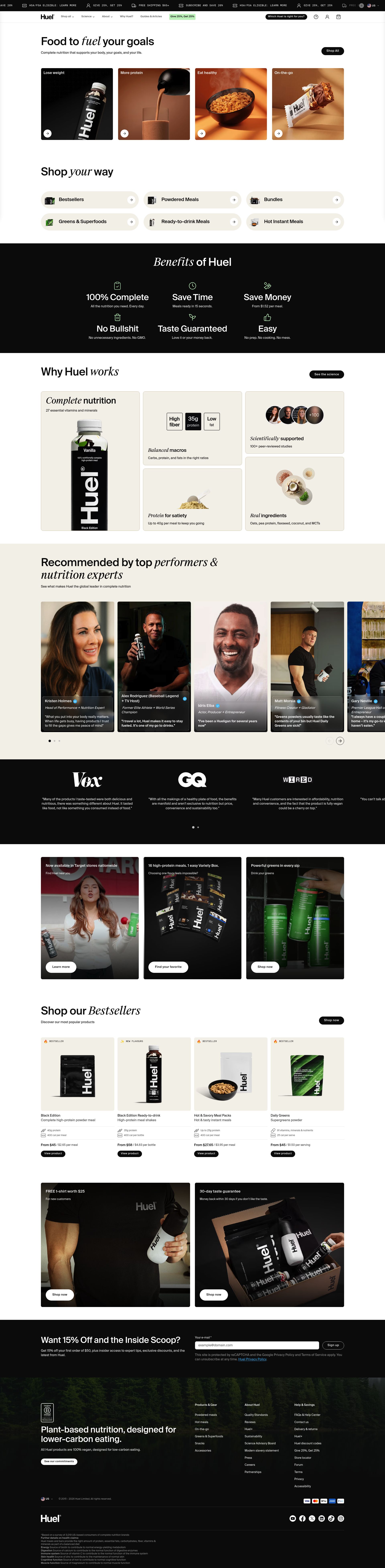
Huel's on-site content is strongly education-led and built around transparency, which is essential in a category where customers want to feel confident about what they are putting into their bodies. Product pages go beyond surface-level descriptions by providing detailed nutritional breakdowns, ingredient explanations and clear guidance on how and when products should be used. This content helps customers make informed decisions and reduces uncertainty, particularly for first-time buyers. The site's depth and clarity of information builds trust, supports long-term loyalty and encourages repeat purchasing.
5. Dune London

Dune London uses on-site content deliberately to reduce uncertainty around fit, comfort and quality, which are some of the most common barriers to purchase in footwear ecommerce. Product pages are structured to clearly communicate key details such as sizing, heel height, materials and construction, allowing customers to understand exactly what they are buying without needing to search elsewhere. By placing this information directly within the buying journey, Dune London helps customers feel reassured and confident in their choices, contributing to increased conversions and fewer returns by setting accurate expectations from the outset.
6. Lush

Lush uses on-site content to bring its products and values to life in a way that feels both human and transparent. Product pages clearly explain ingredients, sourcing, ethical considerations and the purpose behind each product. This level of openness helps customers feel informed and aligned with the brand, particularly in a category where trust and values strongly influence purchasing decisions. By combining sensory language, ethical storytelling and practical usage guidance, Lush builds confidence while reinforcing emotional loyalty and repeat purchasing.
7. Snow Peak
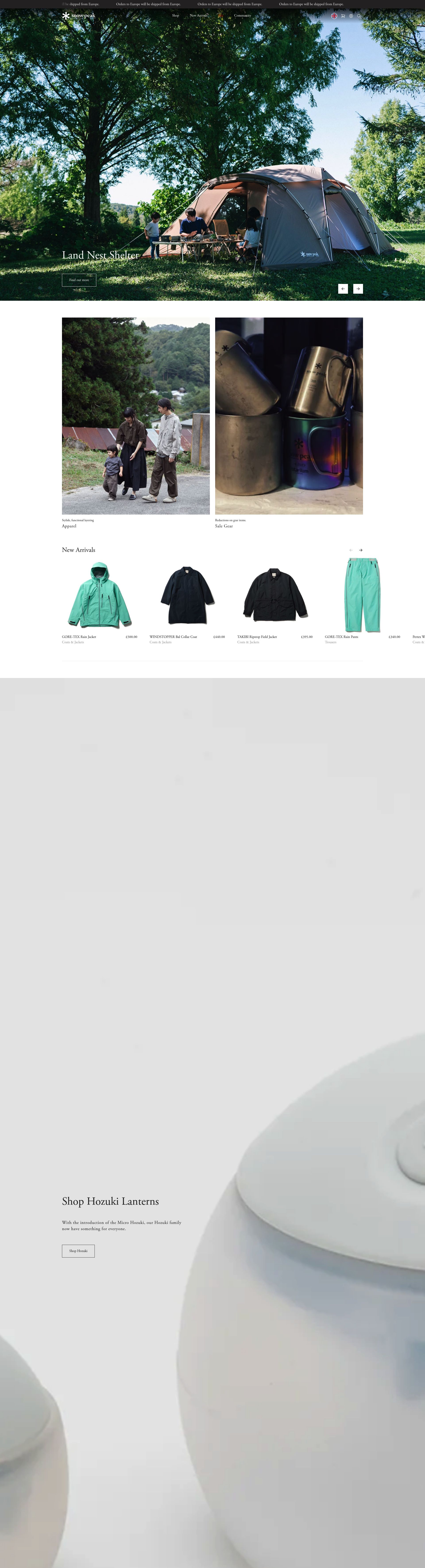
Snow Peak's website content reflects its minimalist, lifestyle-led brand ethos. Rather than overwhelming customers with technical detail, content focuses on how products fit into outdoor living, craftsmanship and long-term use. Product pages combine compelling copy with strong imagery to communicate purpose, quality and durability, helping customers understand why the product exists and how it should be used. This calm, intentional approach helps to build trust and encourage conversions, particularly for customers investing in premium outdoor equipment.
8. Emma Sleep

Emma Sleep utilises high-quality website content to remove uncertainty from a high-consideration purchase. Mattresses and sleep products can be difficult to compare online, so Emma prioritises clarity, reassurance and education throughout the buying journey. Product pages include clear explanations of materials, benefits and performance, supported by reviews, comparisons and trial information. This content-led approach helps customers feel confident in their decision, reducing hesitation and supporting both conversion and long-term satisfaction, which is crucial for repeat purchases and brand advocacy.
9. AO.com
AO.com excels at using on-site content to support informed decision-making in a complex retail category. Appliances often come with technical specifications that can overwhelm customers, so AO.com focuses on explaining features in plain language and providing helpful comparisons. Video content, buying guides and clear summaries are integrated directly into product and category pages, making it easier for customers to choose the right product for their needs. This practical, customer-first content experience builds trust, reduces friction and encourages customers to return for future purchases.
10. Selfridges
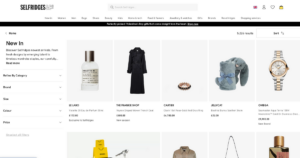
The best ecommerce brands don't treat content as something separate from the shopping experience. They use it intentionally to support discovery, reduce uncertainty and help customers make confident decisions at every stage of the journey. Whether it's educational guidance, editorial storytelling or reassurance-led product detail, strong on-site content is ultimately about removing friction and building trust, helping customers understand what they are buying, why it matters and how it fits into their lives. Brands that invest in content as part of UX will create stronger experiences, better relationships and more sustainable growth over time.
Need a helping hand with your website content? Don't hesitate to get in touch!


