


Out-of-stock products are inevitable in ecommerce.
Whether it's due to seasonal demand, supply chain delays or high-performing bestsellers, stock shortages happen and that can't always be prevented. The problem is that most ecommerce sites treat out-of-stock pages as dead ends which leads to lost revenue and abandoned sessions. The best ecommerce brands do the opposite. By treating out-of-stock moments as an opportunity to retain user intent, capture demand and keep customers engaged until products return, brands can transform an out-of-stock dead-end into a sales opportunity. We've gathered 10 ecommerce sites that handle out-of-stock products brilliantly and demonstrate what you can learn from them. Without further ado, let's dive in!
1. Gymshark

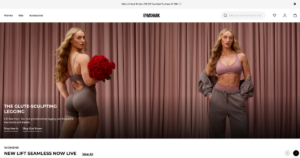
Gymshark understands that demand spikes are part of its business model, especially around product drops. As a result, the brand utilises them as part of its scarcity-driven and exclusive marketing strategy. Instead of letting out-of-stock items become ecommerce dead-ends, Gymshark encourages customers to stay engaged through notifications and alternative browsing experiences. The experience feels intentional, not accidental, which helps maintain trust even when stock is limited.
Standout features:
- Clear messaging around availability
- Back-in-stock notification prompts
- Strong alternative product discovery pathways
- A mobile app for priority access to new drops
2. Zara
Zara handles stock scarcity with both speed and clarity, ensuring that customers quickly know whether an item is coming back or gone for good. Out-of-stock products are often paired with size-level availability updates, helping customers understand whether an item is fully gone or simply unavailable in their preferred option, reducing frustration and keeping customers browsing rather than bouncing.
Standout features:
- Size-specific stock visibility
- Fast alternative product suggestions
- Seamless browsing continuity

3. Reformation
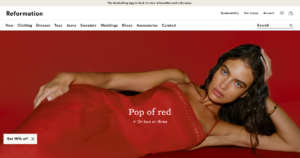
Reformation's business model means that stock is naturally limited and as a result, its out-of-stock experience feels intentional rather than accidental. Customers are guided toward similar pieces and encouraged to stay engaged with future restocks.
Standout features:
- Waitlist-style demand capture
- Similar product recommendations
- Scarcity messaging aligned with brand tone
4. COS
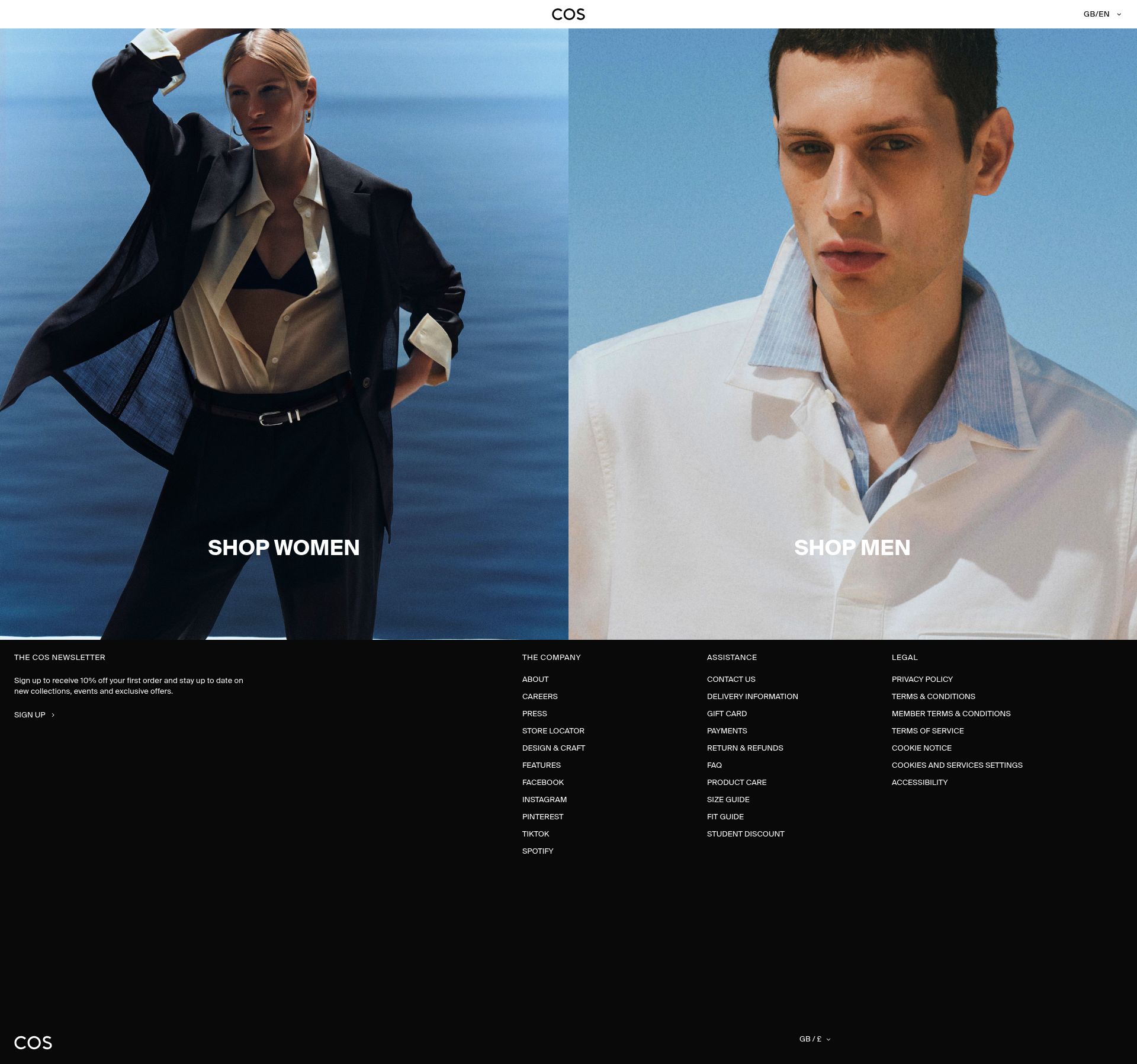
COS handles out-of-stock products with a clean, minimal approach that stays consistent with its overall brand values and ethos. Rather than overwhelming customers with unnecessary messaging, COS clearly indicates when an item or size is unavailable and encourages continued browsing through intuitive navigation and related product suggestions.
Standout features:
- Clear and uncluttered out-of-stock messaging
- Simple pathways back into category browsing
- Relevant product recommendations to support continued discovery
5. Depop
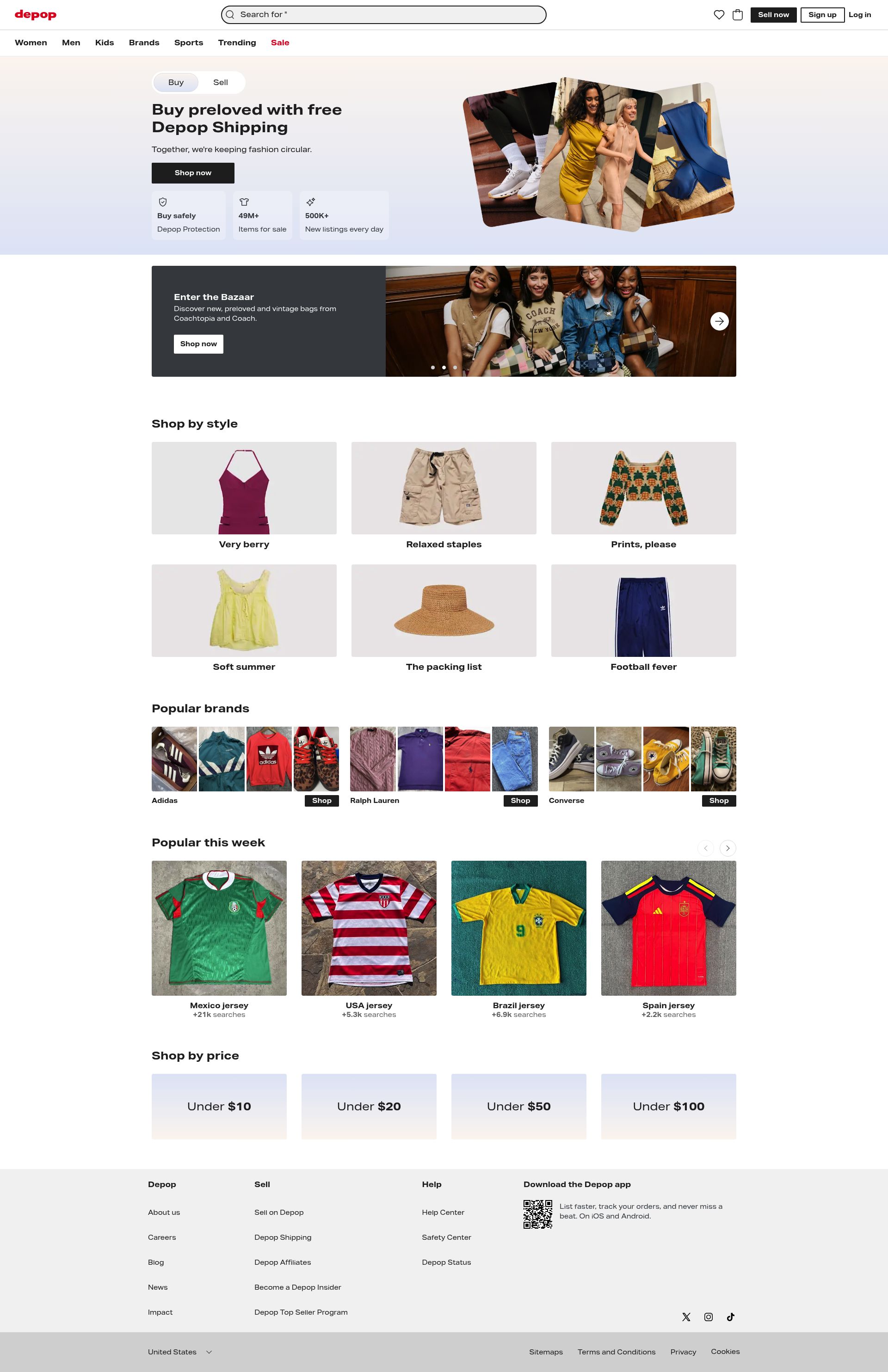
Depop's fashion ecommerce marketplace model means that products can sell out instantly, but the platform encourages continued discovery through saved searches, similar listings and personalised recommendations. Rather than treating sold items as a dead-end, Depop leans into the browsing experience that defines resale shopping, keeping engagement high even when individual products are no longer available.
Standout features:
- Discovery-first alternative browsing
- Search-driven demand retention
- High engagement despite one-off inventory
6. Made
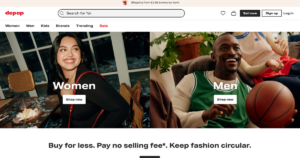
Made's out-of-stock products are handled with a clear focus on expectation setting and continued discovery, which is essential in the furniture and homeware category where purchase cycles are longer and fulfilment times matter. The site typically communicates lead times or restock expectations where possible, helping customers plan rather than abandon their purchase. This transparency reduces friction and supports confidence in higher-consideration buying decisions.
Standout features:
- Lead-time clarity rather than 'unavailable'
- Alternative product pathways
- Strong expectation-setting UX
7. Brompton
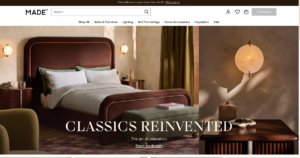
Brompton's products are often high-demand and configurable, so out-of-stock experiences need to support more complex ecommerce journeys. Customers are guided toward alternative configurations, models or availability windows instead of encountering a hard stop, which is particularly important in a premium, considered category.
8. John Lewis
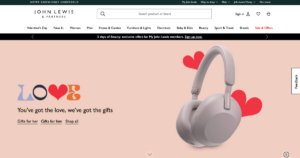
John Lewis handles out-of-stock moments with clarity and customer reassurance, which is particularly important for a heritage department store where shoppers expect reliability. When products are unavailable, the experience focuses on guiding customers toward suitable alternatives or nearby options, while keeping site navigation both smooth and intuitive.
Standout features:
- Clear stock status and availability messaging
- Strong substitute and related product recommendations
- Customer-first experience that maintains trust
9. Net-a-Porter
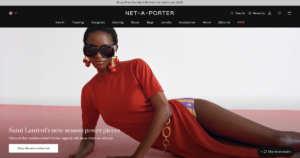
Net-a-Porter operates in the high-demand, luxury fashion industry where limited stock is common, particularly across seasonal and designer-led collections. When items sell out, the experience doesn't just end. Instead, customers are encouraged to explore similar pieces, designers or curated edits that align with their original intent.
Standout features:
- Curated alternative product recommendations
- Editorial-led recovery pathways
- Premium, calm stock messaging
10. Sonos
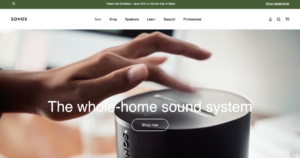
Sonos handles out-of-stock moments particularly well for high-consideration tech products. Rather than simply marking items as unavailable, the brand often provides delivery estimates, configuration alternatives or compatible product suggestions, supporting customers who are researching and comparing, rather than impulse buying.
Standout features:
- Transparent availability and delivery timelines
- System-aware product recommendations
- Continued journey support for considered purchases
The ecommerce brands that handle out-of-stock products brilliantly treat scarcity as part of the customer journey, not the end of it. With the right UX, out-of-stock moments can become opportunities to build trust, retain intent and protect long-term revenue. Need a helping hand transforming your out-of-stock UX and messaging? Don't hesitate to get in touch!


