


Want to boost organic traffic to your ecommerce website? We’ve got 10 top tips to drive new users and ultimately, increase sales!
Whether you’re just getting started with building your ecommerce brand or are an established online store looking for ways to increase profits and drive sales, our top 10 tips are designed to get you the organic traffic you deserve, without paying for ads. These tips will work across any ecommerce industry so whether you’re a homeware store, fashion brand, beauty business or paving provider, these tips will help you to reach your online potential and drive sustainable growth for your brand. Let’s get stuck in!
1. Incorporate Video Content
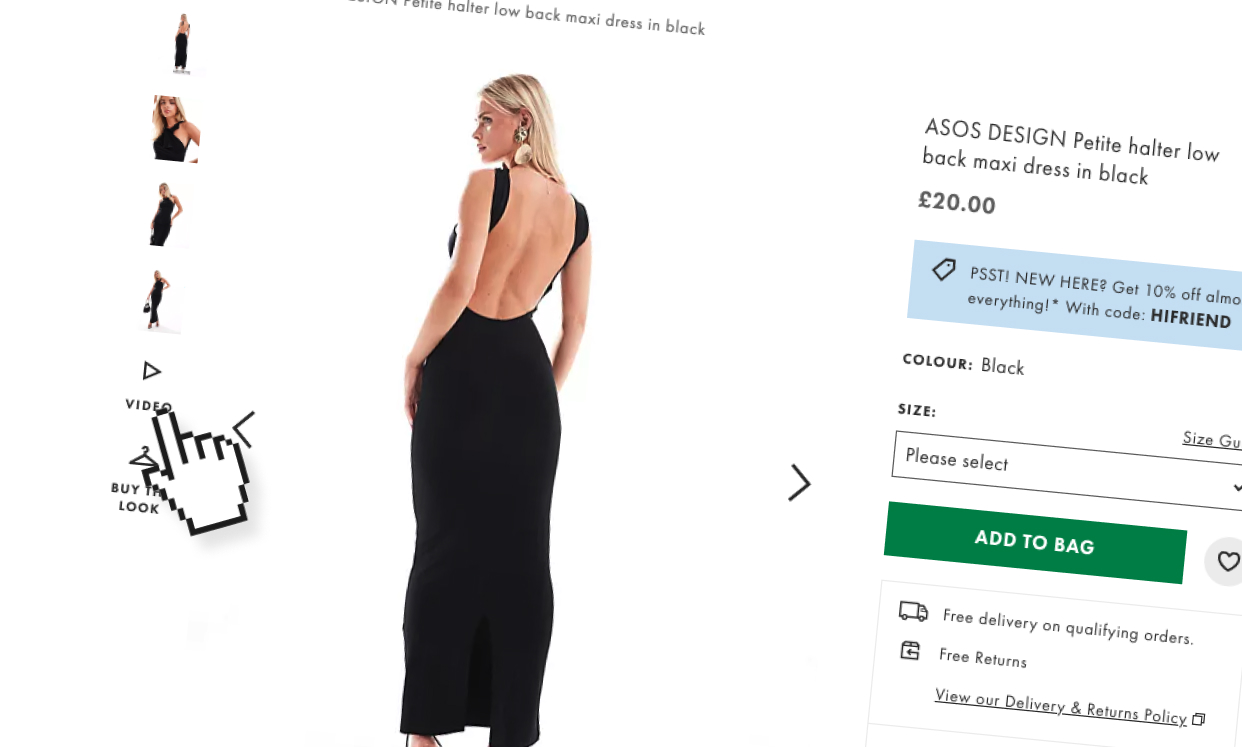
Firstly, if you haven’t already incorporated video content in your product listings, you’re certainly missing a trick! According recent research, 91% of marketers in 2023 said video content has directly increased website traffic. Aside from utilising video content on social media platforms, videos of products within product and category pages can significantly enhance the user experience by showcasing the features, benefits and quality of your products. Not only does this help to engage users, it also builds trust and loyalty as customers get a deeper insight into he products they’re purchasing.
2. Start A Referral Program
Referral programmes are a highly effective tool for e-commerce businesses, offering a chance to leverage the most trusted form of marketing: word-of-mouth. Leads generated through referrals convert at a rate 30 percent higher than those from other marketing methods, underscoring the significant growth potential such programmes can offer. If your store hasn’t yet implemented a referral scheme, it’s never too late to start. The great news is, it doesn’t have to be elaborate. Even a straightforward incentive for customers who refer new business can substantially increase your sales and create a community of loyal brand advocates. By focusing on building trust and rewarding both the referrer and the referred, your store can cultivate a thriving network of satisfied customers eager to share their positive experiences.
3. Content Marketing (In other words, start a blog!)
One of the most valuable tips for boosting your ecommerce visibility is to invest time and effort into creating a blog that consistently delivers highly-valuable content for your audience. Ecommerce SEO can be an absolute game-changer for brands who want to sustainability grow their online store through a targeted and strategic approach. Having a dedicated blog or content area within your site can significant improve your SEO credentials and boost organic visibility within the SERPs.
Regular content production, whether done personally or by hiring a professional, is a proven strategy for driving traffic and engaging customers to your ecommerce site. If your ecommerce website currently lacks a blog, it’s relatively straightforward to get started. Most ecommerce platforms, such as BigCommerce and Shopify, offer built-in blogging templates that simplify the process. By creating and maintaining a blog, you can improve your search engine rankings, attract more visitors, and provide useful information that enhances customer trust and loyalty.
4. Retarget Email Subscribers
Once you’ve established an email list, it’s essential to retarget users based on their onsite behaviour. Retargeting, in this context, involves sending targeted emails to individuals who have shown interest in your business but haven’t completed a desired action. While retargeting can also involve paid advertisements, this strategy focuses on non-paid methods. One of the most effective forms of email retargeting is sending abandoned cart emails, which can recover nearly 30 percent of abandoned shopping carts. Additionally, you can suggest related products to current customers based on their previous purchases, capitalising on the fact that it’s easier to engage existing customers than to acquire new ones.
To get started with email retargeting, explore the features of your email marketing platform; for instance, MailChimp offers a comprehensive guide on setting up retargeting emails. Begin with straightforward campaigns like abandoned cart reminders and product recommendations, as these often yield quick results. From there, experiment with other strategies such as requesting reviews a week post-purchase or highlighting new collections, to find what resonates best with your audience.
5. Incorporate UGC
Incorporating user-generated content (UGC) into your e-commerce strategy is a powerful way to influence purchasing decisions, with up to 80 percent of people stating that UGC impacts their choices. One simple yet effective method is to feature images of your products in use, shared by customers, on your website. This not only enhances trust but also showcases genuine satisfaction from other users.
To make the most of UGC, consider adding customer reviews directly to your product pages, as they provide authentic insights and can sway potential buyers. Additionally, create a branded hashtag and encourage users to share their favourite products on social media, creating a sense of community and expanding your reach. Embedding user-submitted product photos at the bottom of your website can also enrich the shopping experience, providing visual proof of your products’ quality and appeal.
6. Create Urgency
Visitors who leave your site without making a purchase often do not return to complete the sale. To counter this, creating a sense of urgency can compel users to act quickly. Phrases like “Act now! Quantities are low!” or “Buy now for free shipping!” or “Limited time offer!” can motivate visitors to finalise their purchase immediately.
To effectively instil urgency, consider incorporating countdown timers and time-limited deals. For example, using pop-ups to show recent purchases by other users can create a sense of FOMO (fear of missing out). Sending “last chance” emails can remind customers of expiring offers, while a shopping cart timer can add pressure to complete their purchase. Displaying limited stock information, similar to what American Apparel does, can also enhance the feeling of scarcity and prompt quicker decisions. By utilising these tactics, you can encourage visitors to act before the opportunity slips away.
7. Offer Free Shipping
Considering that 66% of consumers expect free shipping on every online purchase, thanks largely to Amazon’s influence, it’s a great idea to offer free shipping to your customers. Offering free shipping doesn’t have to hurt your profits. You can make it work by increasing product prices slightly to cover shipping costs while advertising it as “free shipping.” Alternatively, use free shipping as a reward in a loyalty programme, offer it in exchange for an email address, or set a minimum purchase threshold to encourage larger orders. By implementing these strategies, you can meet customer expectations and drive sales effectively.
8. Leverage Influencer Marketing
Influencer marketing is a powerful strategy for ecommerce brands, leveraging the reach and credibility of individuals who have established trust with their audiences. Partnering with influencers can help amplify your brand’s message and drive traffic, as their endorsements often lead to higher engagement and conversions. By collaborating with influencers whose followers align with your target market, you can benefit from authentic recommendations that resonate more deeply with potential customers. To get started, identify influencers who genuinely connect with your brand, craft engaging campaigns that highlight your products naturally, and track the results to refine your approach. This strategy not only boosts visibility but also fosters trust and drives sales for your brand.
9. Run Facebook Ads
With 2.9 billion monthly active users, Facebook offers unmatched opportunities to reach and engage new customers. Facebook ads allow for precise targeting based on interests, behaviours, locations, and more, maximising your chances of conversion. Dynamic ads, which automatically showcase relevant products based on users’ browsing history and online activity, can further enhance engagement by presenting personalised offers. To optimise your ad performance, integrate the Meta pixel into your website. This tool tracks user behaviour and helps fine-tune ad content and placement, ensuring your campaigns are as effective as possible.
10. Test, test, test!
Continual testing is crucial for refining your strategies and maximising performance. Regularly testing various elements, such as ad creatives, email subject lines, website layouts, and promotional offers, allows you to identify what resonates best with your audience and drives the highest conversions. A/B testing, for example, helps compare different versions of a campaign to see which performs better. By analysing the results and iterating based on data, you can optimise your efforts, improve customer engagement, and ultimately increase revenue. Embrace a mindset of constant experimentation and adjustment to stay ahead of trends and meet your business goals effectively.
And there we have it! We hope these tips are helpful in driving traffic to your ecommerce site and if you need a helping hand, don’t hesitate to get in touch.


